

What is YouTube advertising seasonality?
Many people wonder what seasonality of advertising is, in our blog we talked in detail about the term and what it depends on.
YouTube is a global platform with millions of views and subscribers, in many ways competing with traditional television.
As for monetization and advertising, there is every chance that YouTube will simply overtake TV soon. But advertising has its own peculiarities. For example, a factor such as seasonality of advertising.
Many professional video bloggers still do not understand what is advertising seasonality. Therefore, they often wonder why sometimes the cost of advertising from their channels itself becomes lower. The problem lies precisely in seasonality.
When conducting advertising campaigns, seasonal advertising does occur, but is rather automatic. But this phenomenon is based on the psychological state of potential consumers.
Many people understand seasonality not with reason, but rather withon some intuitive level.
For example, knowing that before the new year, income increases sharply, and then also drops sharply. This phenomenon is called seasonality.
It can affect almost all types of advertising, for example:
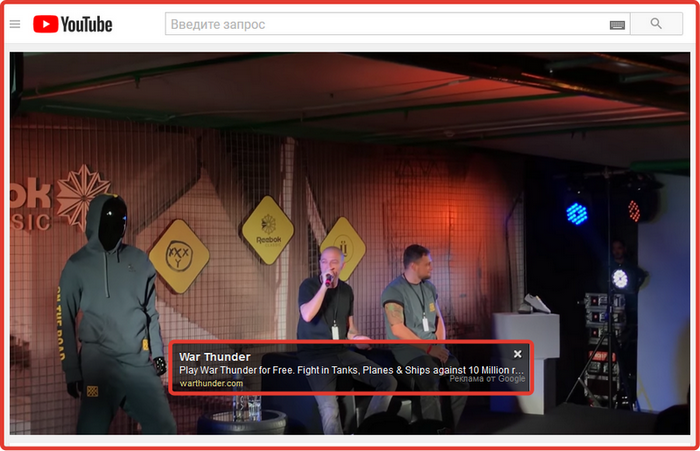
- In-Video. These are ads in the form of transparent ads that appear about 15 minutes after the start of the video.
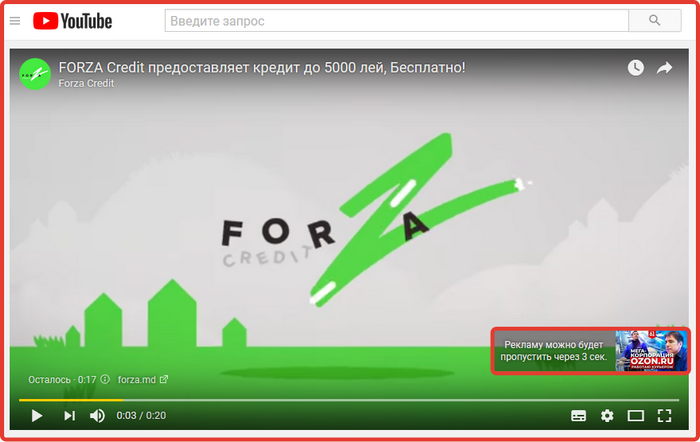
- InStream. A slightly unusual advertisement that can appear either at the beginning of the video or at the end or in the middle.
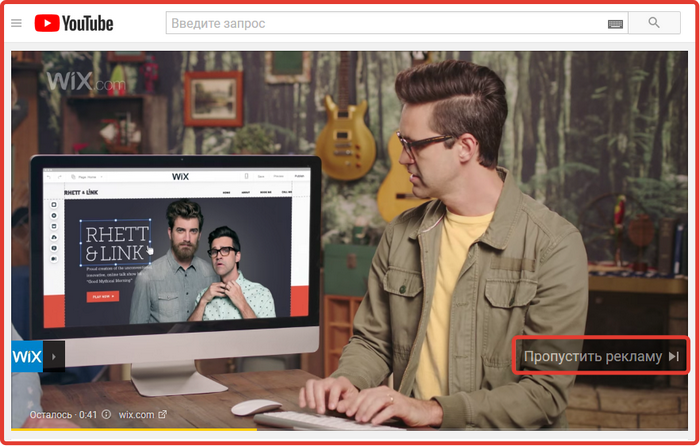
- TrueView. Regular ads up to 30 seconds long. At about the fifth second you can skip them.
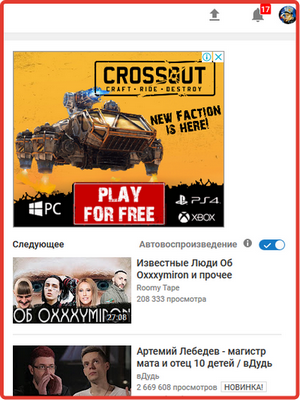
- Ordinary banners or, as I sometimes call them, display advertising. Standard format 300*250 pixels. Usually located to the right of the video.
- Top banners are usually found on home pages.
What factors influence seasonal advertising?
The simplest example of why incomes decline is the summer months. Many people go out of town, to the country, on vacation, and so on. The number of viewers and video views decreases slightly, and purchasing activity becomes significantly less.
In the fall (around September), the situation begins to change a little and incomes increase. Around November-December the peak occurs. And the volume of advertising campaigns is becoming significantly larger.
Many large companies are starting to spend their unspent funds on advertising campaigns.
For example, companies such as:
- Lays;
- Coca-Cola;
- Mobile operators;
- Large chain stores and other companies.
After this the situation unfolds a little again.Around January-February there is a decline again and quite strong. Many people have purchased gifts for the New Year, Christmas and other winter holidays and do not have extra funds to purchase goods or services.
Large companies understand this and do not strive to pour extra money into advertising companies. In fact, during this time, not many consumers will pay attention to advertising at all and even fewer will buy anything.
And this continues until spring. Then the graphs in YouTube Analytics show some growth. And this situation repeats itself almost every year.
Is it possible to somehow influence factors influencing seasonality? No, you can't. After all, this state of affairs depends not on the blogger himself, but on advertisers.
It’s worth remembering in advance that the highest rates occur before the new year in the period November-December. Throughout the year you need to work to the maximum in order to get yourNew Year's bonus. You can even call it an award for video bloggers.
Another factor that slightly influences seasonality is content. There are bloggers who would be appropriate to advertise summer products. For example, travel blogs.
After all, summer is the time when travel companies become more active. And if the topic of the blog is suitable, then advertising will be relevant, and income may increase slightly.
Despite the fact that there are quite a lot of such examples, this is rather an exception to the rule. Such phenomena should not be considered as an independent factor.
If you need professional and high-quality promotion on YouTube, then you can always order it on our resource.